







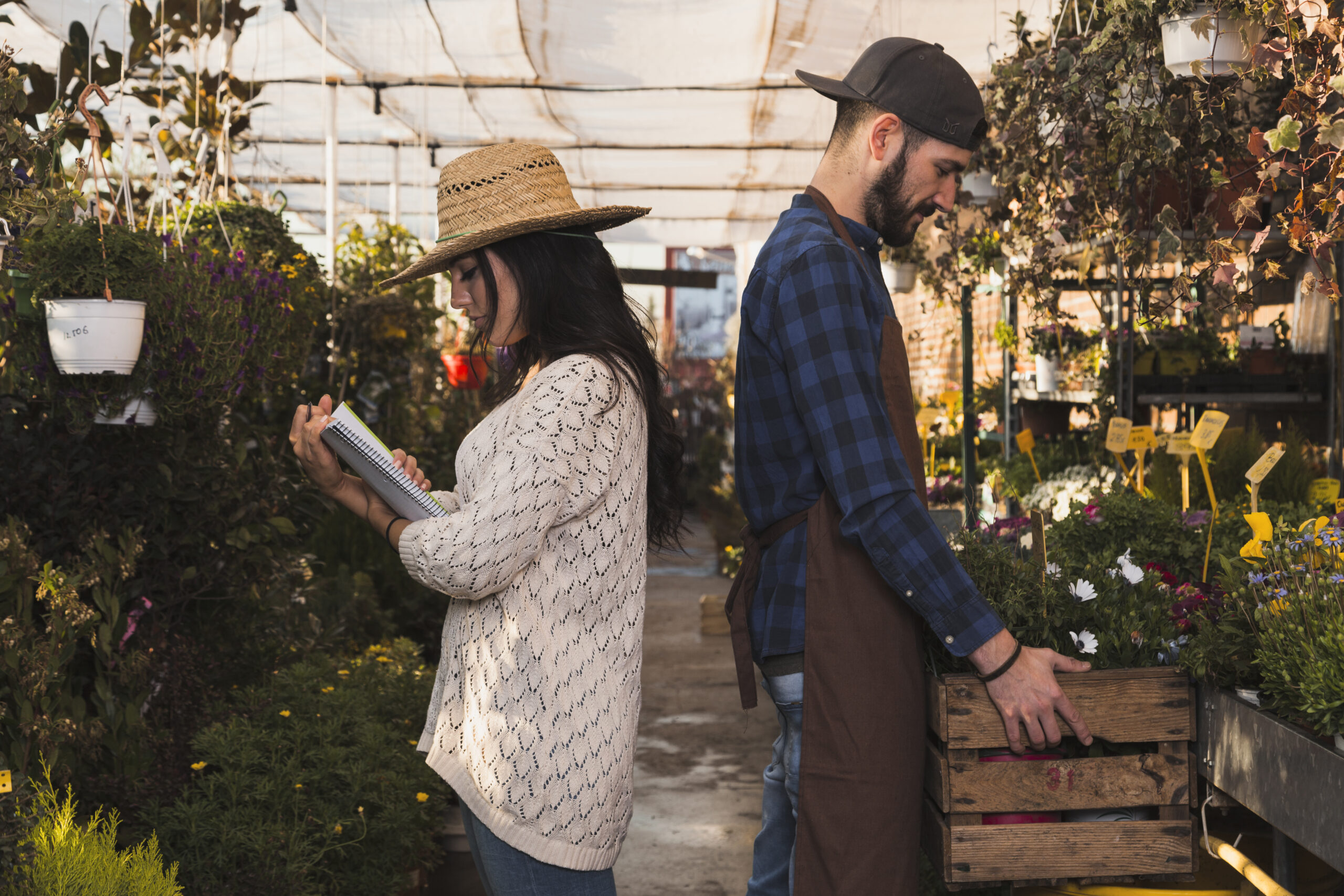
When is the best time to plant trees and shrubs in Lexington?
Timing depends on the plant type and weather, but spring and fall are often popular planting seasons. Avoid planting when soil is frozen or conditions are extremely hot and dry. Ask the nursery team for recommendations based on the plants you select and the current season.
How do I choose healthy plants at a garden center?
Look for healthy foliage, sturdy stems, an appropriate overall shape, and no obvious widespread pest or disease damage. Check plant tags for sunlight, water, and mature-size information. Ask staff about any plant that appears stressed or has roots crowded in the pot.
Does Redmond’s Garden Center offer plant installation?
Yes. Redmond’s offers tree and plant installation, along with landscape design and installation services. This is useful for homeowners who want a cohesive landscape plan or need help installing larger trees, shrubs, or a complete planting design.
Can a garden center help with mulch and soil?
Yes. Redmond’s carries topsoil, bagged and bulk mulch, and pine straw and straw. These products can support plant health, help retain moisture, improve the finished appearance of beds, and prepare areas for new planting.
Visiting a nursery Lexington KY is one of the best ways to turn a landscaping idea into a real plan. Seeing plants in person helps you compare leaf texture, color, shape, height, and overall condition. It also gives you a chance to ask questions before you bring something home.
The important part is choosing plants that fit your property, not only plants that look good on the day you shop. A beautiful flowering shrub may struggle if it is planted in the wrong light. A tree that looks small now may eventually outgrow the space near a driveway, foundation, or utility line. The right selection begins with a little observation and a realistic idea of what you want the landscape to do.
Redmond’s Garden Center is a destination garden and landscape design center serving Lexington, Fayette County, and surrounding communities. The garden center carries trees, shrubs, roses, perennials, annuals, herbs, mulch, topsoil, fertilizers, and products for plant care. This guide will help you shop with confidence and create a landscape that fits your home and lifestyle.
Start With Your Planting Location
Before visiting a garden center, spend a few minutes looking at the area you want to plant. The best plant choices are shaped by the conditions already present in your yard.
Take note of:
- How many hours of direct sun the area receives
- Whether the spot gets morning sun, afternoon sun, or mostly shade
- Soil that stays dry, holds moisture, or drains quickly
- Nearby trees that create root competition
- Wind exposure and winter protection
- Mature space available above and below ground
Sunlight is especially important. “Full sun” usually means a location receives several hours of direct sunlight each day. “Part shade” may work well where there is gentle morning sun and afternoon protection. “Full shade” describes areas with little direct sun. Read the tag, but also match it to what you have observed in the actual planting bed.
Decide What You Want the Plant to Do
Plants do more than fill an empty space. Before shopping, identify the job you need a plant to perform.
Add Seasonal Color
Annual flowers are useful for containers, entryways, window boxes, and beds where you want a strong seasonal display. They can make an immediate visual difference and allow you to refresh the look each year.
Build a Long-Term Foundation
Trees, shrubs, and perennials create the structure of a landscape. Trees can add shade, screening, and height. Shrubs can define a border, soften a foundation, or create privacy. Perennials return each year and bring recurring color and texture to beds.
Solve a Site Problem
The right plant can help address a difficult location. You may need something that tolerates shade, handles a sunny slope, works under mature trees, or fits a narrow foundation bed. Bring a few photos and simple measurements to the garden center so staff can help you find plants suited to the space.
Choosing Annuals, Perennials, Shrubs, and Trees
Annuals
Annuals complete their life cycle in one growing season, which makes them ideal for concentrated color and flexible design. Use them in hanging baskets, planters, borders, and areas where you want to change the palette next season.
Perennials
Perennials come back year after year when planted in a suitable location. Their bloom times vary, so use a mix of plants to extend seasonal interest. Pay attention to the mature width and height on the plant tag to prevent overcrowding.
Shrubs
Shrubs are a reliable backbone for many Central Kentucky landscapes. Consider foliage color, bloom time, mature size, sun needs, and winter interest. Avoid planting a shrub based only on its current compact size; give it room to reach maturity.
Trees
Trees are long-term investments. Consider their canopy spread, root area, mature height, and distance from structures and overhead lines. A local nursery can help you choose a tree that matches both the site and your goals.
How to Choose Healthy Plants
Healthy plants have a better chance of adjusting well after planting. Look for sturdy stems, healthy foliage, and a shape that is appropriate for the type of plant. Avoid plants with widespread yellowing, wilting, heavy pest damage, or visibly broken stems unless staff can explain a temporary cause.
Check the container as well. Roots should not be severely circling or packed tightly at the surface. A plant that has been in a small pot for too long may need extra attention after planting. Ask a staff member if you are unsure; it is always better to clarify before purchasing.
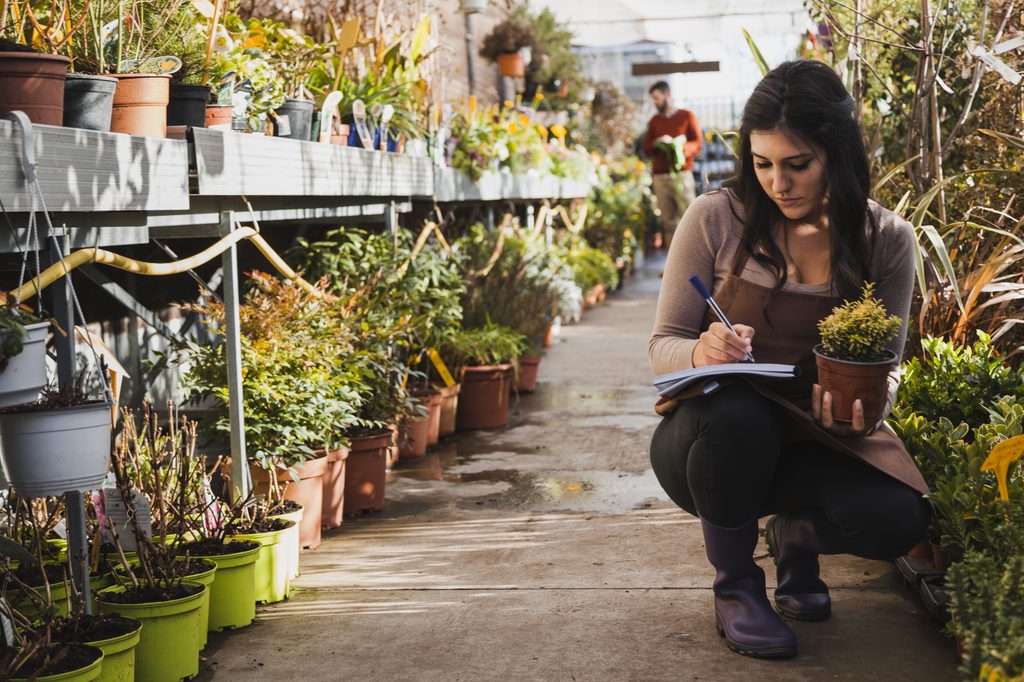
Think Beyond Flowers: Texture, Shape, and Four-Season Interest
A beautiful garden is not only about blooms. Combine different leaf shapes, foliage colors, plant heights, and evergreen structure to make the space interesting through more of the year.
For example, a planting bed may include a small tree for height, evergreen shrubs for structure, flowering perennials for seasonal color, and annuals near the front for a bright finishing touch. Mulch can unify the bed while helping conserve moisture and define the planting area.
Redmond’s offers bagged and bulk mulch, topsoil, and pine straw in addition to its plant selection. These materials can help complete a project after your plants are in the ground.
Consider Kentucky’s Growing Conditions
Lexington gardens can experience hot summers, fluctuating spring temperatures, cold winter conditions, and periods of heavy rain or dry weather. This makes plant selection and placement especially important.
The University of Kentucky Cooperative Extension offers useful gardening education and emphasizes using site conditions, plant needs, and good maintenance practices to guide decisions. Review University of Kentucky gardening resources when you want additional local education, and use your nursery visit to discuss the conditions of your specific yard.
Plan Before You Buy
A little preparation keeps plant shopping enjoyable and prevents costly changes later.
Bring:
- Photos of the planting area
- Measurements for the bed, container, or foundation space
- Notes about sun exposure
- A simple wish list of colors or functions
- Information about pets, children, or wildlife concerns
It also helps to sketch the bed. You do not need a professional drawing. A quick outline of the space and existing trees, walkways, windows, or utilities makes it easier to choose the right number and type of plants.
When to Ask for Professional Landscape Help
Some projects are straightforward: a few annuals, an herb container, or a small perennial border. Others benefit from a broader plan, particularly when you are redesigning a front yard, adding a patio, planning a privacy screen, or investing in multiple trees and shrubs.
Redmond’s offers landscape design and installation as well as tree and plant installation. Professional planning can help connect plant selection with grading, hardscapes, lighting, water features, patios, and the way you actually use your outdoor space.
A Simple Planting and Care Checklist
Once you bring plants home, prepare the planting site before removing them from their containers. Dig the appropriate hole, place plants at the recommended depth, backfill carefully, water thoroughly, and apply mulch without piling it against stems or trunks.
Continue watering according to the plant’s needs, especially during establishment. New plants need regular attention while their root systems adjust to the new site. Follow plant labels and ask for care guidance at the garden center.
Visit Redmond’s Garden Center in Lexington
The best nursery in Lexington, KY is one where you can find plants that fit your space and get practical guidance for the next step. Redmond’s Garden Center offers more than five acres of off-street shopping, with trees, shrubs, roses, annuals, perennials, herbs, mulch, and landscape-care products.
Visit Redmond’s Garden Center or call (859) 272-6697 with questions about your project. The garden center is open Monday through Saturday from 8:30 AM to 6:00 PM and closed on Sunday.
Frequently Asked Questions
What should I bring to a nursery in Lexington, KY?
Bring photos and measurements of your planting area, along with notes about how much sunlight it receives. If possible, identify whether the soil stays wet or dry and what you hope the plants will accomplish, such as color, privacy, shade, or foundation landscaping.
What plants grow well in Lexington, Kentucky?
The right plants depend on sunlight, soil drainage, available space, and the level of care you can provide. A local Lexington garden center can help you compare annuals, perennials, shrubs, and trees for your particular site rather than selecting plants based only on appearance.
What is the difference between annuals and perennials?
Annuals generally provide color for one growing season, while perennials return for multiple years when they are planted in suitable conditions. Many successful gardens use both: perennials for long-term structure and annuals for seasonal color in beds and containers.
